Home / Labels / Chemical & Industrial
Custom Chemical & Industrial Labels for Bottles, Pails & Containers
Custom roll and product labels for industrial cleaners, degreasers, lubricants, maintenance fluids, adhesives, sealants and coatings. We help review container surface, label size, film material, adhesive direction, finish, application method and buyer-approved hazard artwork before sampling or production.
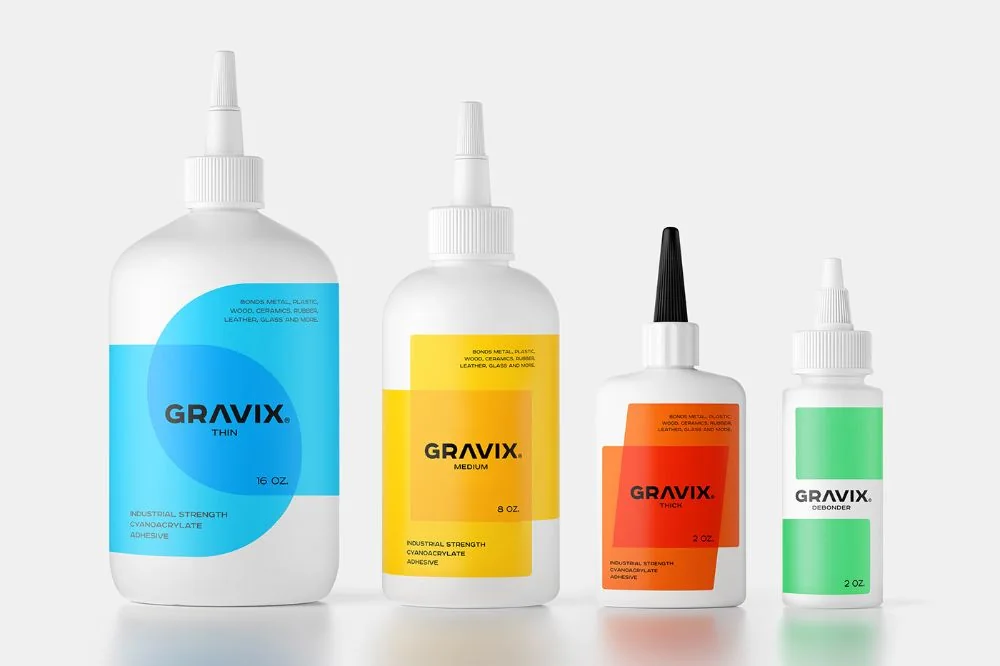
Labels Built Around the Container and Use Environment. Outer Packaging When the Product Range Needs More.
Start with the chemical product container, expected exposure and label application method. Add shipping cartons or instruction inserts when a multi-SKU B2B range needs coordinated identification and packing support.
Chemical & Industrial Label Applications
Industrial cleaners, lubricants, adhesives and specialty chemicals use different containers and face different exposure conditions, so label specifications should be matched to the actual product application.
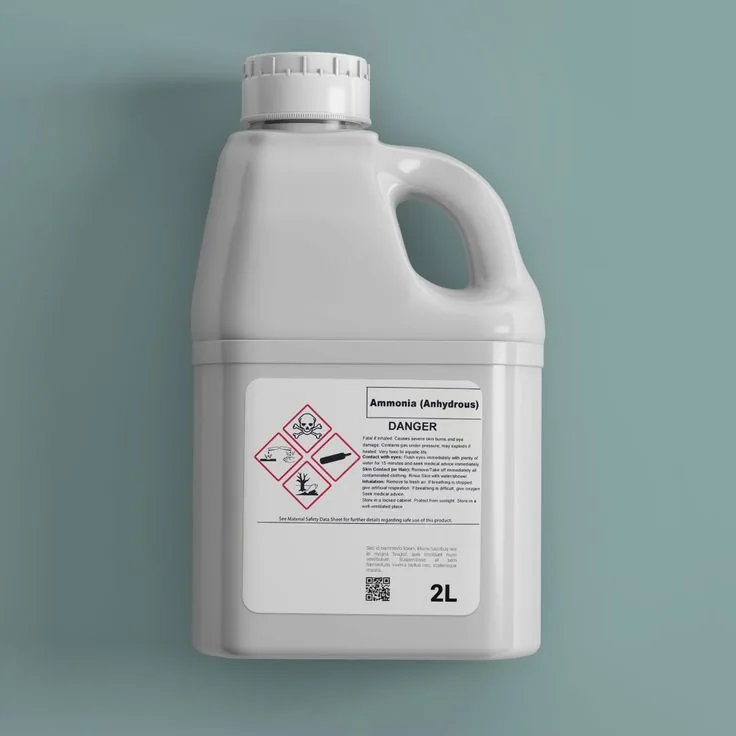
Industrial Cleaner & Degreaser Labels
Labels for industrial cleaners, degreasers, treatment products and maintenance chemicals across spray bottles, rigid containers, jerry cans and pails.
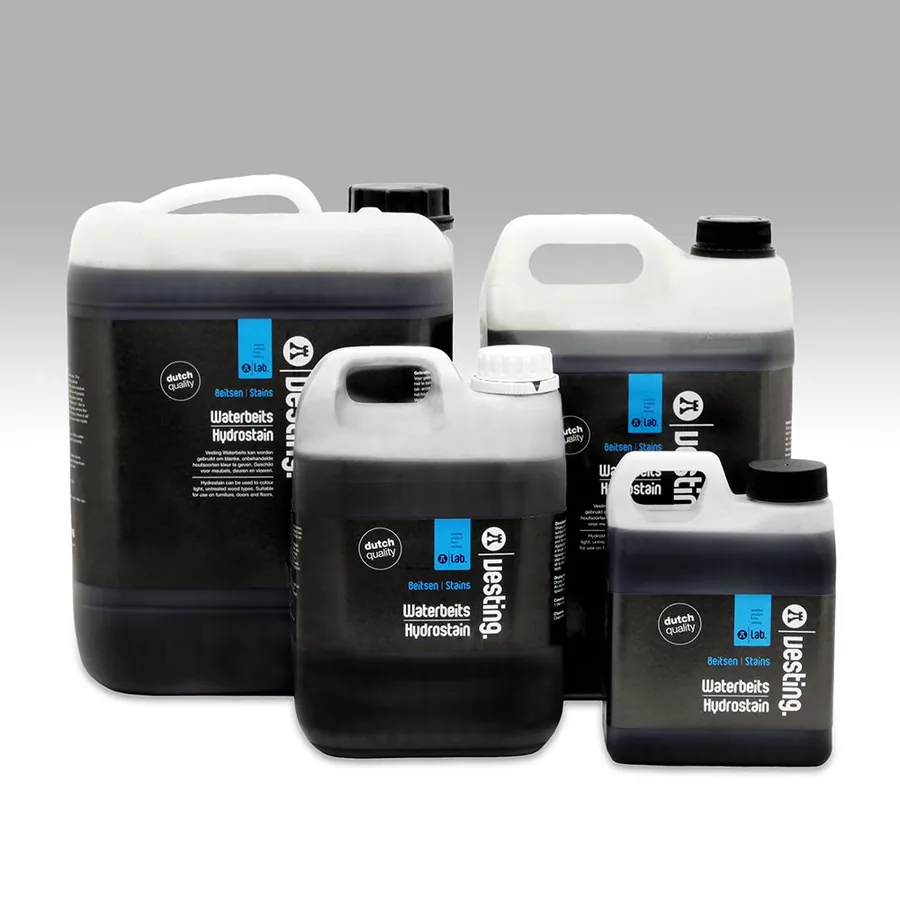
Lubricant, Oil & Maintenance Fluid Labels
Labels for lubricants, oils, coolants and maintenance fluids across bottles, cans, jugs and multi-size industrial product ranges.
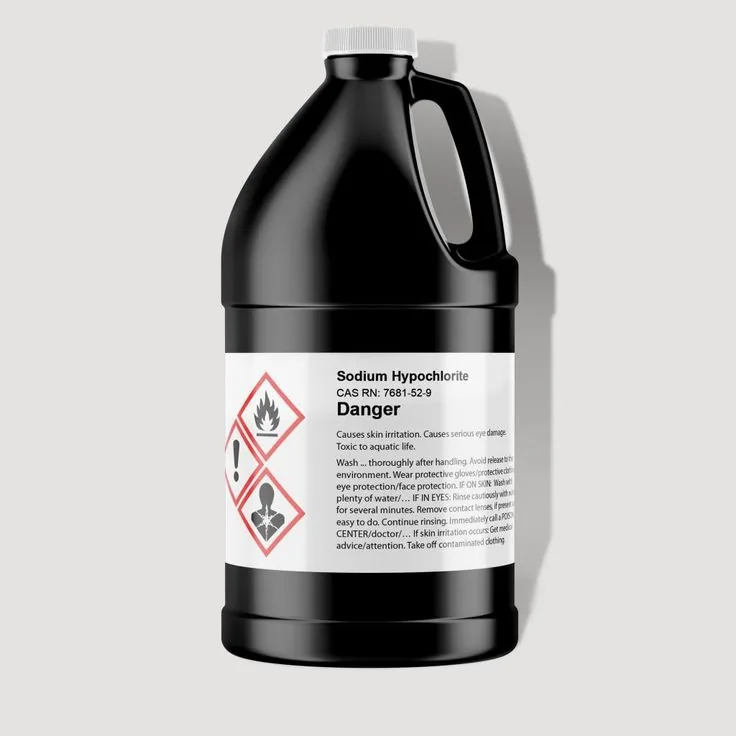
Adhesive, Sealant & Coating Labels
Labels for adhesives, sealants, coatings and related chemical products across bottles, cartridges, cans and rigid containers.
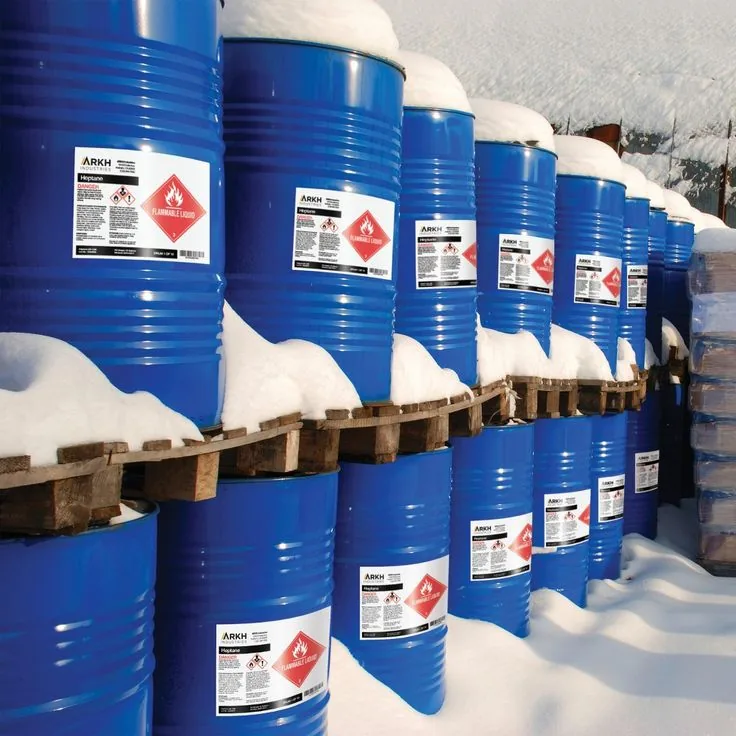
Chemical Bottle, Jerry Can & Pail Labels
Product and buyer-approved hazard-information labels for chemical bottles, jerry cans, pails and other rigid containers across different grades, sizes and batch references.
What Chemical & Industrial Labels Need to Do
A chemical product label should identify the product and grade clearly while remaining suitable for the container, application process, expected exposure and buyer-approved hazard information.
Clear Product, Grade & SKU Identification
Keep product names, grades, pack sizes, barcodes and variants easy to distinguish across bottles, jerry cans, pails and repeat industrial SKU ranges.
Space for Buyer-approved Hazard Information
Provide clear space for buyer-approved product identifiers, pictograms, signal words, hazard or precautionary statements, supplier details and other required information where applicable.
Correct Fit for Industrial Containers
HDPE, PP, PET, glass, metal and coated containers may require different label dimensions, materials, adhesives and application checks.
Handling, Exposure & Traceability
Oils, chemicals, moisture, abrasion and repeated handling can affect label construction, while batch, lot and date areas support product traceability.
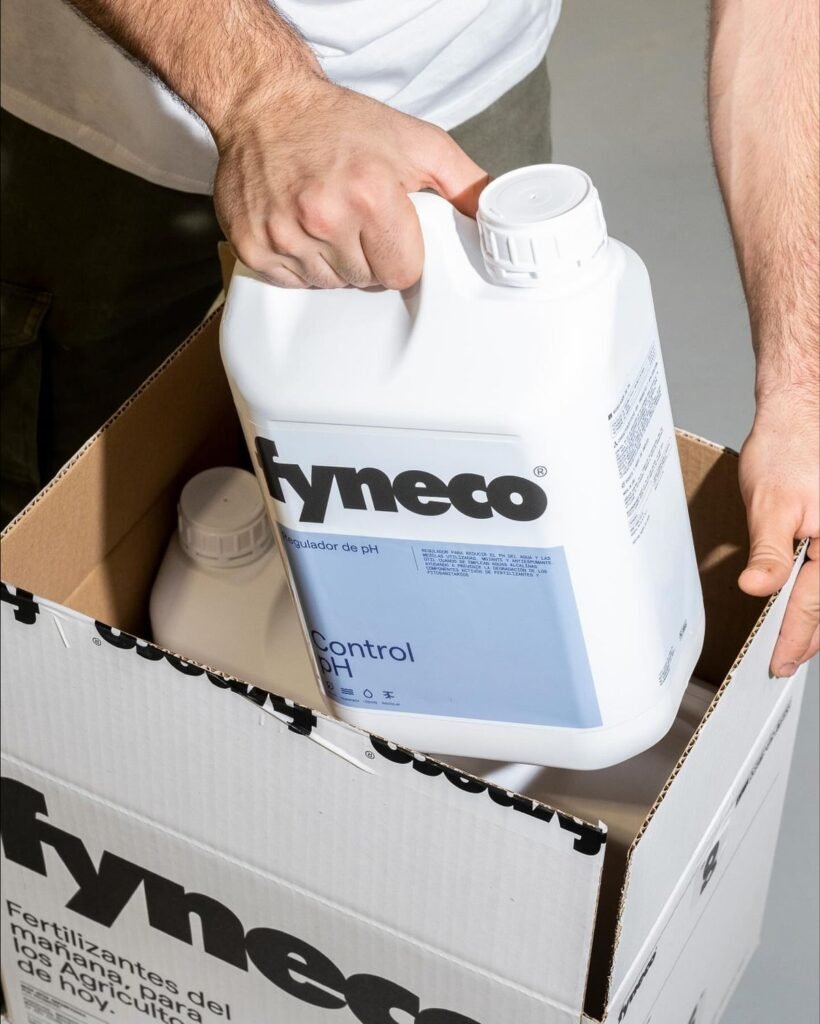
Technical Details to Confirm Before Sampling
The practical label direction depends on the actual container surface, chemical exposure, application method and buyer-approved artwork—not appearance alone.
Share whether the label will be applied to HDPE, PP, PET, glass, painted metal, coated metal or another container surface. Provide dimensions, curvature, texture, seams and the available label panel because container material, molding condition and surface treatment can affect label fit and adhesive direction.
Tell us whether the label may encounter oils, solvents, cleaners, product spills, moisture, abrasion, outdoor storage or repeated handling. Film material, adhesive and protective finish options can then be reviewed. Final resistance should be confirmed through sampling or agreed compatibility testing with the intended product and use condition.
Confirm whether labels will be applied by hand or machine and whether you need roll labels, front-and-back labels, wrap labels or individual container labels. Machine-applied projects may also require roll direction, core size and maximum roll diameter.
Provide buyer-approved artwork or a draft showing the product identifier, supplier information, pictograms, signal word, hazard and precautionary statements, directions, barcode and batch, lot or date areas where applicable. Chemical classification, required wording, language and destination-market compliance must be approved by the manufacturer, importer or its local compliance adviser before production.
Chemical & Industrial Labels FAQ
PP/BOPP and other film label options are commonly reviewed for containers exposed to moisture, oils or frequent handling. PE film may suit selected flexible surfaces, while paper labels are generally considered for dry outer packs or lower-exposure applications. Final material, adhesive and protective finish selection should be checked against the actual container and product exposure.
No single label construction is suitable for every formula or exposure. We can review film, adhesive, lamination or coating options based on the chemical product, container surface, spill or immersion risk, temperature, exposure time and handling conditions. Sample confirmation or agreed compatibility testing is recommended before bulk production.
Yes, but the label dimensions, adhesive direction and construction must match the actual surface. Mold-release residue, texture, curvature, seams, surface coatings and low-energy plastics can affect adhesion, so send container photos, dimensions or a physical sample and confirm whether labels will be applied by hand or machine.
Please share the product type, container material and size, label dimensions, quantity per SKU, artwork status, expected chemical or environmental exposure, finish preference, application method, destination country and whether samples or outer packaging are required.
Yes. Samples can be discussed to check label size, container fit, material, finish, print legibility, adhesive behavior and practical handling. Any chemical-resistance or compatibility testing must be agreed separately with the formula, test method, exposure time and acceptance criteria defined in advance.
MOQ and lead time vary by label size, material, adhesive, finish, quantity per SKU, artwork readiness, printing method, sampling or testing requirements and number of artwork versions. Share your target quantity and required date so we can review a practical production route.
We can print buyer-approved hazard communication artwork that includes product identifiers, pictograms, signal words, hazard and precautionary statements, supplier information or other required elements where applicable. Chemical classification, exact label elements, language, minimum size and destination-market requirements must be supplied and approved by the manufacturer, importer or local compliance adviser before production.
Yes. After the container and label specification are confirmed, we can review matching shipping cartons, outer carton labels, instruction inserts or other paper components for multi-SKU industrial product ranges. Dangerous-goods transport marks and shipping declarations must be supplied and approved by the responsible shipper or compliance party.
Request a Quote for Chemical & Industrial Labels
Share your chemical product type, container material and size, label dimensions, quantity per SKU, artwork or hazard-information status, expected exposure, application method and destination country. Include any sample, testing or outer-packing needs so we can review the project before quoting.